

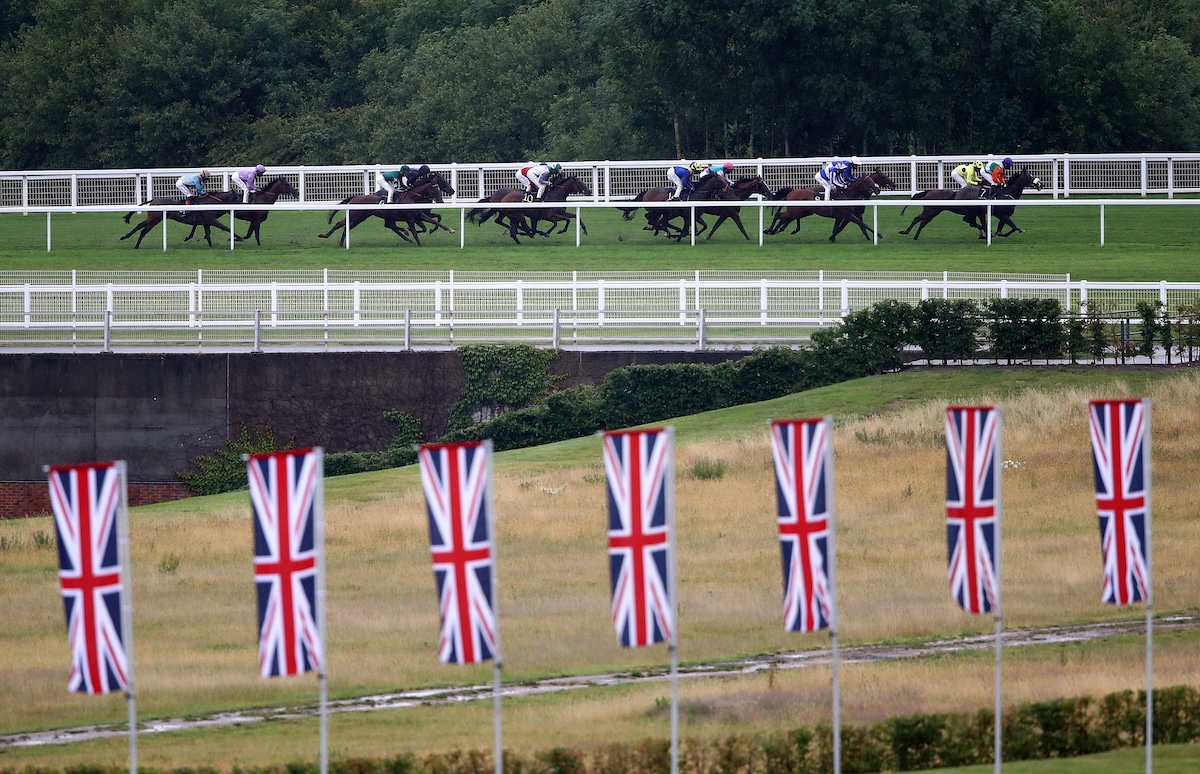
Understanding British Horse Racing: Why Some Events Are Not on the Calendar
British horse racing is a revered tradition, rich in history and culture. However, not all events make it to the official racing calendar. Many factors contribute to the absence of certain races, including regulatory issues, weather conditions, and even shifts in public interest. While many enthusiasts look forward to the industry’s major events, there are also British horse racing not on GamStop horse betting sites not on GamStop that provide opportunities outside the mainstream circuit. This article delves into the nuances of why some races are excluded, the impact of these omissions on the sport, and how they affect betting dynamics.
The Structure of British Horse Racing
The British horse racing scene is governed by organizations such as the British Horseracing Authority (BHA) and consists of a mix of flat racing and jump racing. These bodies set rules and maintain standards to ensure a fair and competitive environment. Races are categorized as either flat or jump, with flat racing generally occurring on levels tracks over distances ranging from 5 furlongs to 2 miles or more, while jump racing features obstacles and takes place on either hurdles or steeplechase courses.
Each year, a calendar is compiled that lists all the official races, which are monitored closely for integrity and adherence to regulations. However, several races might not make it onto this official calendar for various reasons.
Reasons for Exclusion from the Calendar
1. Regulatory Issues
One primary reason some races may not appear on the official calendar is regulatory compliance. Events must adhere to the standards set by the BHA, including horse welfare, safety protocols, and the overall integrity of the competition. If a racecourse fails to comply or if there are controversies involving the management of an event, it may result in the race being canceled or postponed indefinitely.
2. Weather Conditions
British weather is notoriously unpredictable. Heavy rain or extreme drought can compromise the safety of both horses and riders, leading to race cancellations. When weather conditions render a course unsafe, the BHA typically prioritizes the well-being of the competitors over maintaining a busy racing schedule. Such outdoor events may not be rescheduled if they are completely eliminated from the annual plans.
3. Economic Factors and Public Interest
The financial viability of hosting a horse race is another significant consideration. If interest in specific races wanes due to changing demographics, economic challenges, or the emergence of rival entertainment options, organizers may choose not to schedule these events. Without sufficient attendance or gate receipts, the expenses associated with staging these races could outweigh the benefits, leading to their exclusion.
The Impact of Missing Races
The omission of particular races can have a ripple effect throughout the racing community. Trainers may adjust their training regimens, and owners might rethink their investment strategies based on the shifting landscape. For fans, the absence of favored events can dampen enthusiasm and reduce overall attendance at racecourses.
Moreover, betting dynamics change significantly when races do not take place. Bookmakers must adjust their odds and offerings, creating a void that can sometimes lead bettors to look for alternatives. This shift can include seeking out lesser-known or unregulated races, further impacting the traditional racing sphere.
The Role of Online Betting
In recent years, the emergence of online betting platforms has transformed the landscape of horse racing. Bettors have more options than ever, including horse betting sites not on GamStop that allow participants to place wagers without the restrictions imposed by GamStop. This development offers enthusiasts the chance to engage with races that may not be officially sanctioned or recognized, effectively expanding the scope of racing opportunities.
Future of British Horse Racing
The future of British horse racing may depend on how stakeholders address the challenges of a changing industry. As audiences evolve and technologies advance, the traditional formats may need to adapt to meet new expectations. Efforts to restore popular races to the calendar, while also exploring innovative ways to engage fans, could pave the way for a revitalized racing experience.
Additionally, analytical tools and data-driven insights could enhance the experience for both bettors and trainers, providing deeper insights into race outcomes and horse performance – both crucial for maintaining the integrity of the sport. Safety measures, particularly in the wake of controversies surrounding performance-enhancing drugs, are also essential for restoring public trust and ensuring the long-term viability of the sport.
In conclusion, while British horse racing boasts a rich tapestry of history and tradition, external factors sometimes lead to the exclusion of specific events from the calendar. Understanding the implications of these omissions helps both fans and participants navigate the complex landscape of horse racing, while online betting opportunities offer enticing alternatives. By continuing to adapt to challenges and embracing new technologies, British horse racing can thrive and maintain its esteemed place within the culture.
